A historic town with a modern outlook
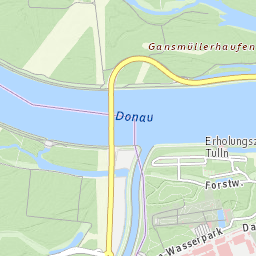
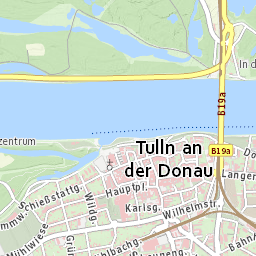
Tulln an der Donau combines a long history with the everyday life of a lively regional centre. Its location directly on the Danube shapes the town's character and provides plenty of opportunities to enjoy the outdoors. Riverside paths are popular for walking and cycling, while green spaces and the surrounding Tullnerfeld give the area an open, relaxed feel.
Tulln is widely known as Austria's Garden City. The Garten Tulln gardens, horticultural exhibitions and numerous green spaces reflect this identity. The town also has a rich historical heritage, including reminders of its Roman past and a charming historic centre. Together, these features create a place where culture, nature and urban amenities come together without the scale or pace of a large city.
Good amenities and everyday convenience
On 1 January 2026, Tulln had approximately 16,758 residents. Its population has grown by around 10.5% since 2011. About 14% of residents are under 15, while approximately 22% are aged 65 or older.
The town centre offers a broad range of local amenities. Within two kilometres, there are six kindergartens, eleven schools, around 15 supermarkets and grocery stores, as well as numerous restaurants and cafés. Doctors' practices and pharmacies are also available nearby.
Many everyday destinations are within comfortable walking distance. The nearest supermarket is around 350 metres from the centre, while kindergartens and schools are approximately 450 to 700 metres away. The nearest public transport stop and pharmacy are both only about 50 metres from the centre.
This makes Tulln a convenient place to live, where many daily errands can be done on foot or by bicycle. Local clubs, events and cultural activities also contribute to an active community life throughout the year.
Convenient rail connections for commuters
One of Tulln's biggest advantages is its railway station, located practically next to the town centre. Rail travel is therefore a genuine alternative to driving. Vienna Central Station can be reached by public transport in approximately 45 minutes, while St. Pölten takes around 35 minutes. Both journeys require one transfer.
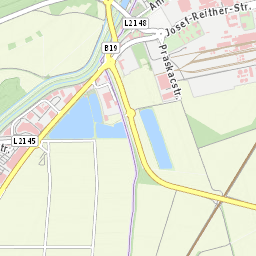
Road connections are also reasonable, although the nearest S5 motorway junction is about four kilometres from the centre. The B19a is approximately 650 metres away. Vienna International Airport is around 45 kilometres away in a straight line.
The railway's proximity does, however, have a downside. According to the 2022 strategic noise maps, railway noise in the town centre reaches 70–74 dB on the day-evening-night noise indicator (Lden). This is an important factor to consider when choosing a specific neighbourhood or property.
Climate and flood protection
Tulln is among the warmer parts of Lower Austria. Between 2015 and 2024, the average annual temperature was around 12.1 °C, compared with 10.9 °C during the 1991–2020 reference period. The town experienced approximately 36 hot days per year on average. During summer, shade, green spaces and effective shading at home can therefore make a noticeable difference to everyday comfort.
One positive aspect is that the town centre lies outside the mapped HQ100 and HQ300 flood zones. Despite its immediate proximity to the Danube, the centre is not included in the designated flood areas shown in the official hazard maps.
Tulln offers an appealing combination of urban amenities, green surroundings and excellent rail connections to Vienna and St. Pölten. However, anyone considering a home here should pay attention to railway noise in certain areas and the increasingly warm summer conditions when choosing a specific location.